Harys Dalvi

Hi! I'm Harys Dalvi (hah-riss dahl-vee), a recent graduate of Brown University with a degree in computer science and physics.
I'm passionate about technology as a human craft: I've been coding since I was 9, and I work across AI/ML, science, product, and design. Outside of tech, I love studying languages, teaching, and especially writing.
This website is a portfolio of my projects and blog posts. Use the buttons below to find what you're looking for, and feel free to contact me if you have any questions or feedback.
My Info
Selected Posts
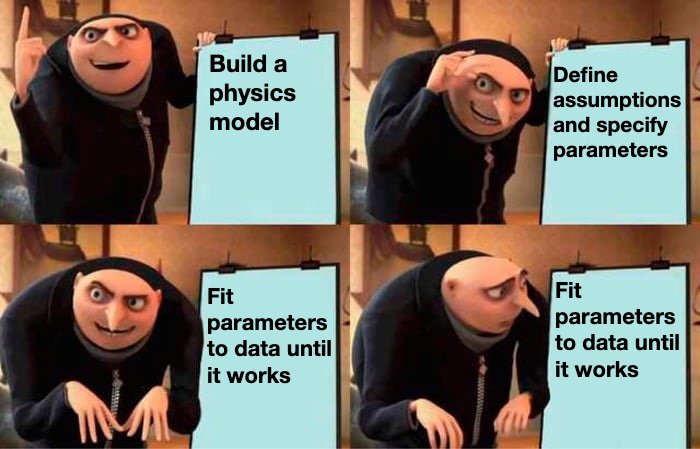
Machine Learning in Slow MotionBuilding a physics model with fitted parameters is machine learning, but slower, and inherits its failure modes.September 2026
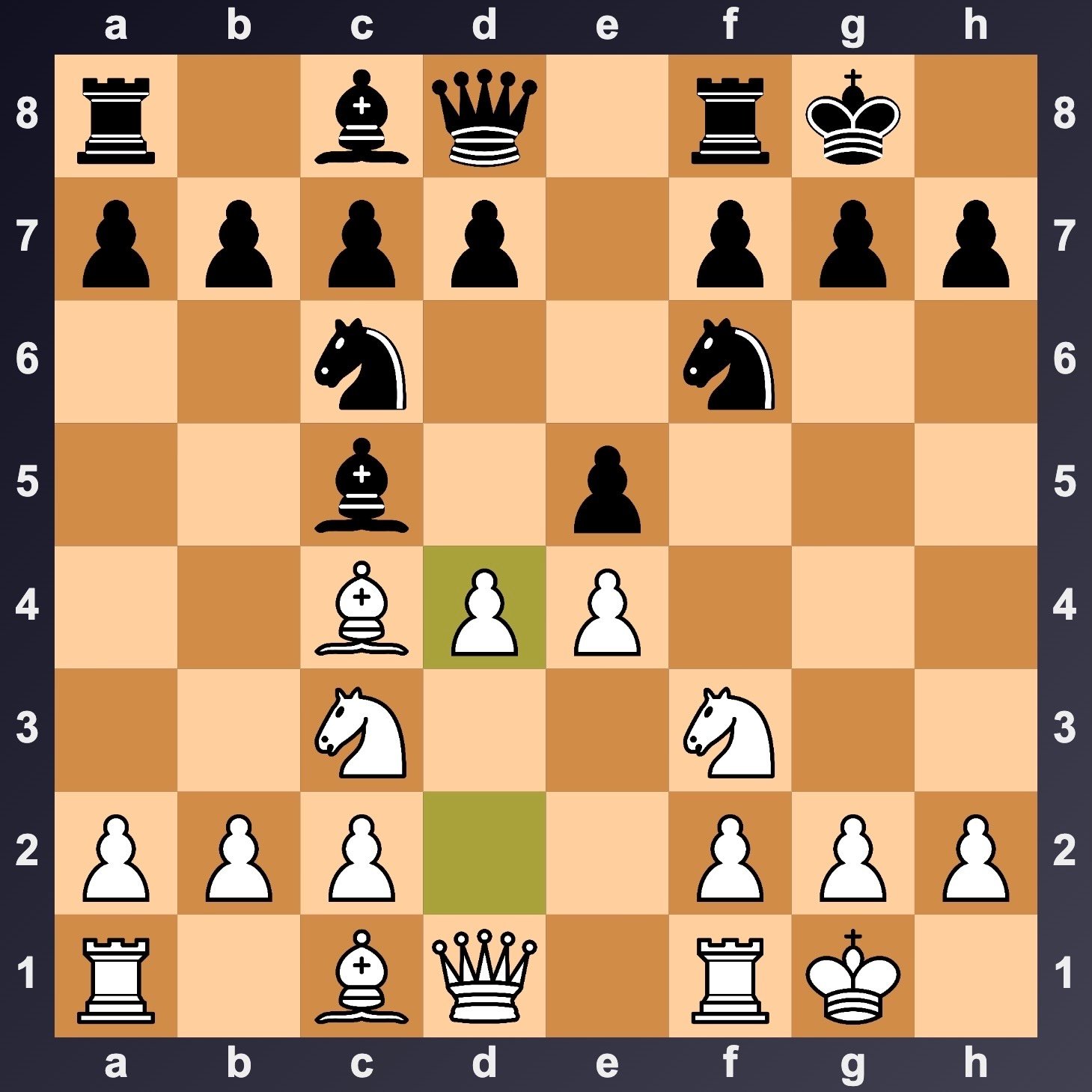
LLMs Do Not Predict the Next WordRLHF forces us to view LLMs as agents in an environment, not just statistical models.March 2025
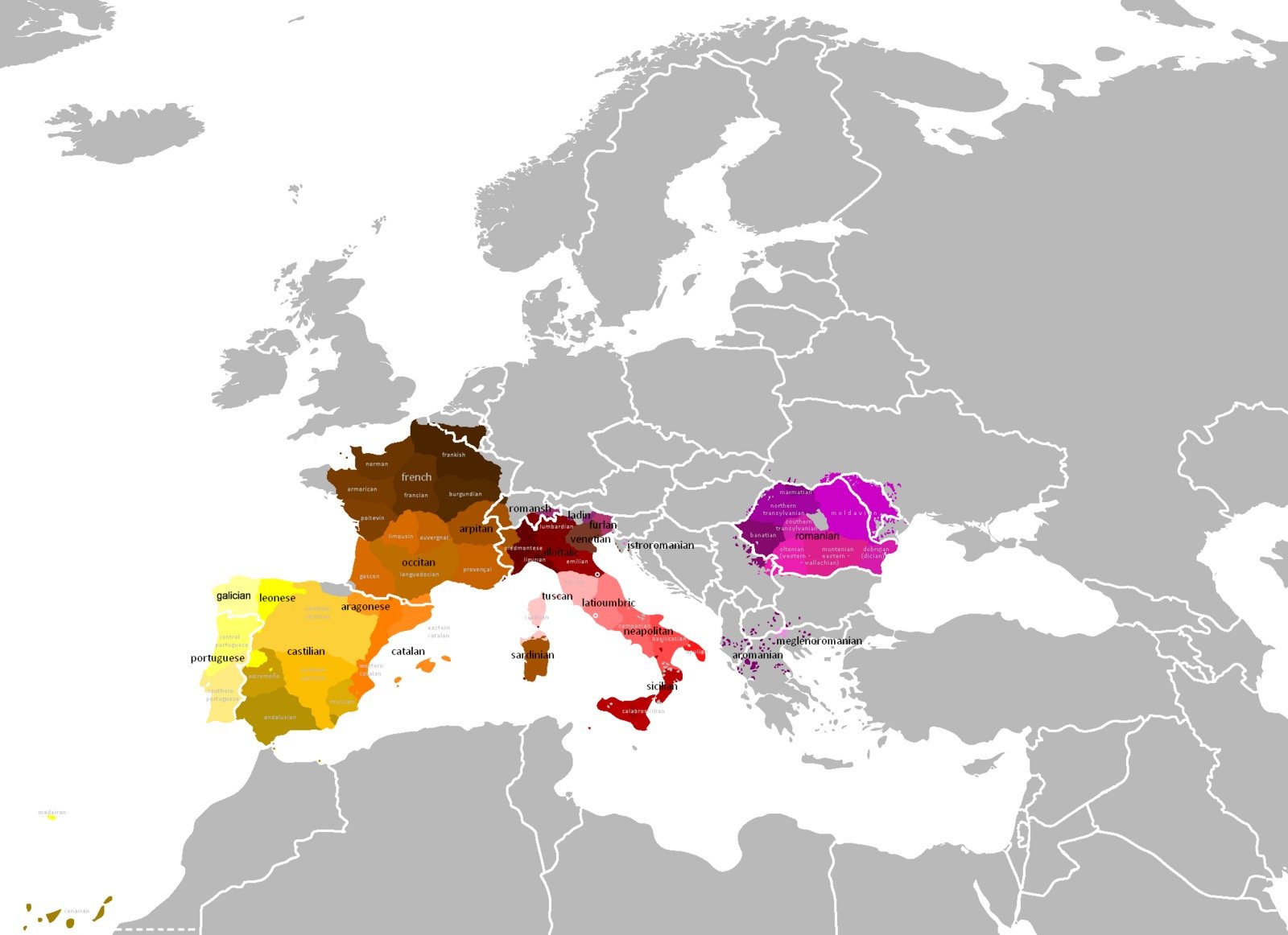
Classics ConverterAn online tool using historical phonology to predict words in modern languages from Latin and Sanskrit.October 2024
BardGPTA miniature GPT model extended with a rhyme and meter model for generating poetry.July 2023
Pages
- Machine Learning in Slow Motion — Building a physics model with fitted parameters is machine learning, but slower, and inherits its failure modes. (September 2026)
- Someone using AI won't take your job. AI will — AI agents threaten to make people redundant, even those who learn to use AI. The only solution is to achieve mastery and outcompete AI. (May 2025)
- Aljamiado — An online tool to write Spanish, Malay, and Turkish in their historical Arabic scripts. (English/Español) (April 2025)
- LLMs Do Not Predict the Next Word — RLHF forces us to view LLMs as agents in an environment, not just statistical models. (March 2025)
- Why AI Can't Do Your Laundry — Too often, AI does what we humans want to do, and not what we can't or won't do. (January 2025)
- Predicting Every Election Since 1916 — How “election pundit predictions” betray a misunderstanding of probability. (November 2024)
- Classics Converter — An online tool using historical phonology to predict words in modern languages from Latin and Sanskrit. (English/Español) (October 2024)
- Can Transformers Solve Everything? — Looking into the math and the data reveals that transformers are both overused and underused. (October 2024)
- Connecting Covariance and Rotational Inertia — A surprisingly deep connection between statistics and classical mechanics. (September 2024)
- Walking Across Rhode Island — My experience walking 29 miles across Rhode Island. (October 2023)
- BardGPT — I made a miniature GPT model extended with a rhyme and meter model for generating poetry. This is what it taught me about the future of language models beyond prose. (July 2023)
- On the Shoulders of Giants — My reflections on a trip to Europe and the history of science and technology. (English/Français) (June 2023)
- DiscordGPT — How to use data from Discord in a GPT model and talk to a simulation of you and your friends. (March 2023)
- The Pipe Room — Can a computer ever be conscious like we are? ChatGPT and other technologies are making questions like these decreasingly theoretical. (February 2023)
- Cold Porridge — Comparing ANNs and biophysical neuron modeling using the classic MNIST dataset. (December 2022)
- Sixth Sense — Can humans feel electric fields and other fundamental forces through biological means? (November 2022)
- BrickChess0.5 — A chess engine with both tree search and neural networks. (August–September 2022)
- Wabi-Sabi — I made an automatic plant watering system, somehow bringing Japanese aesthetics, circuit design, and C++ data types together in one project. (July 2022)
- Shipwreck — How to almost build a remote control sailboat using Arduino. (June 2022)
- What is Time? — Unraveling the concept of time from a physics perspective. (April 2022)
- Ortatious Andith ib Staylatt Neller — What does English sound like to people who don't speak it? And what does that have to do with machine learning and overfitting? (March 2022)
- 2+3=4 — Why math seems to describe the physical world so well. (February 2022)
- Color Master — A game to turn you into a master of hexadecimal colors. (January 2022)
- Mathematical History — Why we need more historians doing math. (December 2021)
- What is Schrödinger's Equation? — An informal derivation of the scary-looking Schrödinger equation using as little quantum physics as possible. (November 2021)
- Testing Copernicus — If all reference frames are valid, can we say that the sun goes around the earth? Almost, but not quite. (October 2021)
- Romans Needed Quantum Computers — A history of information density, from the ancient Mayans to quantum computing. (October 2021)
- Uncertainty Demo — A simulation of propagation of uncertainty as applied to physics, and an analysis of random error in the simulation. (September 2021)
- Speedrunning Calculus — I did a “speedrun” of my Calculus 3 class. Inspired by video games of all things, this is how I learned about math and productivity. (September 2021)
- Not Quite Pi — How the 2019 redefinition of SI base units affected magnetism and why it annoyed me. (August 2021)
- Black Queen — A minimax AI using probability for Black Queen, a card game similar to Hearts. (July 2021)
- Old MacDonald — Do dogs say bark bark or woof woof? What sound does an elephant make? I tried to scientifically answer such questions using spectrograms and acoustic phonology. (July 2021)
- El estudio en los tiempos del COVID-19 — My process and learnings through self-studying the AP Spanish Language and Culture exam. (English/Español) (May 2021)
- Playing with Sunshine — A simple interactive model for regional and global climate and greenhouse gases using the Stefan-Boltzmann law. (April 2021)
- Futhorc — A keyboard that adapts the Anglo-Saxon runic script for Old English to write modern American English. (February 2021)
- Magic Pencil — An attempt to type on Desmos online without touching the computer, using a green pencil and Python. (April 2021)
- Modeling Friction — An attempt to model friction using Python and stress-strain principles from engineering. (September–November 2020)
- AHS Grade Calculator — Automatically calculates grades for American Heritage school. (October 2019–August 2021)
- Modeling Alzheimer's Disease in Caenorhabditis elegans — One of my first research projects, using mutants of C. elegans nematode worms to test lifestyle-based Alzheimer's treatments (such as diet change) in humans. (June–October 2019)
- My Many Names — My name in a variety of languages and writing systems. (January 2019–July 2021)
- Calendar Converter — Converts dates between a variety of calendars and calculates astronomical events and values, based on the Fourmilab original. (December 2018–April 2021)